
A May 2026 rapid assessment by Tanzania’s National Planning Commission and UNDP rates energy, food, transport, tourism and the Government budget at high risk from the Gulf crisis, which raised Dar es Salaam fuel prices by up to 69% between January and May 2026. The report flags a possible TZS 153.7 billion monthly customs revenue shortfall and fuel subsidy needs rising to TZS 1,384.2 billion by July, alongside buffers including a 124% food self-sufficiency ratio, USD 6.3 billion in reserves and 57 trillion cubic feet of gas.
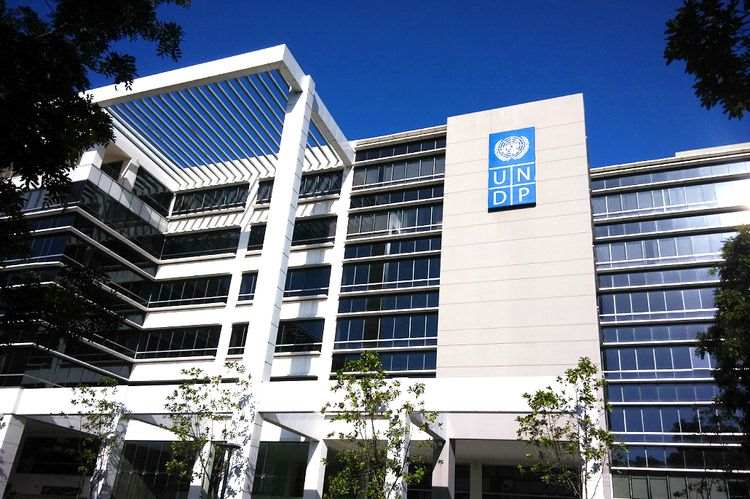
The conclusions come from “Assessment of Economic Impacts on Tanzania Arising from the Gulf Crisis: Risks, Resilience, Opportunities and Strategic Priorities,” a rapid assessment released in May 2026 by the National Planning Commission (NPC) under the President’s Office Planning and Investment, in collaboration with the United Nations Development Programme (UNDP) and the United Nations Resident Coordinator’s Office. The assessment is intended to guide immediate policy before full sectoral studies are completed, and its central message is that Tanzania has meaningful resilience but that resilience should not be confused with immunity. It treats the crisis not as a single fuel-price event but as a linked shock transmitted through petroleum and LPG prices, shipping and insurance costs, fertilizer markets, tourism airlift, exchange-rate demand, customs revenues and the cost of delivering public and private investment.
Read more at: https://www.tanzaniainvest.com/energy/gulf-crisis-report-high-risk-sectors