
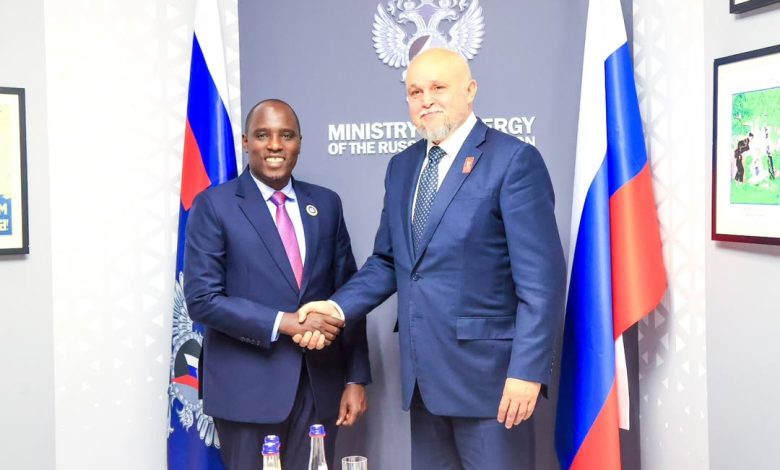
Tanzania and Russia have agreed to deepen investment cooperation in industry, energy, transport infrastructure, and air transport, with value-addition processing, production technology, and goods transportation named as priority areas at the Third Joint Intergovernmental Commission held in Arusha on 15–16 May 2026, which drew 120 Russian companies. The deals also cover Russian investment in mining, agriculture, and ICT, direct Air Tanzania (ATCL) flights to Russia, and a signed agreement to promote the Swahili language in Russia.
The conclusions come from “Assessment of Economic Impacts on Tanzania Arising from the Gulf Crisis: Risks, Resilience, Opportunities and Strategic Priorities,” a rapid assessment released in May 2026 by the National Planning Commission (NPC) under the President’s Office Planning and Investment, in collaboration with the United Nations Development Programme (UNDP) and the United Nations Resident Coordinator’s Office. The assessment is intended to guide immediate policy before full sectoral studies are completed, and its central message is that Tanzania has meaningful resilience but that resilience should not be confused with immunity. It treats the crisis not as a single fuel-price event but as a linked shock transmitted through petroleum and LPG prices, shipping and insurance costs, fertilizer markets, tourism airlift, exchange-rate demand, customs revenues and the cost of delivering public and private investment.
Read more at: https://www.tanzaniainvest.com/energy/gulf-crisis-report-high-risk-sectors